Africa, Corruption, Religious Power, and Geneva, Switzerland: A Complex Intersection
Category : | Sub Category : Posted on 2024-10-05 22:25:23
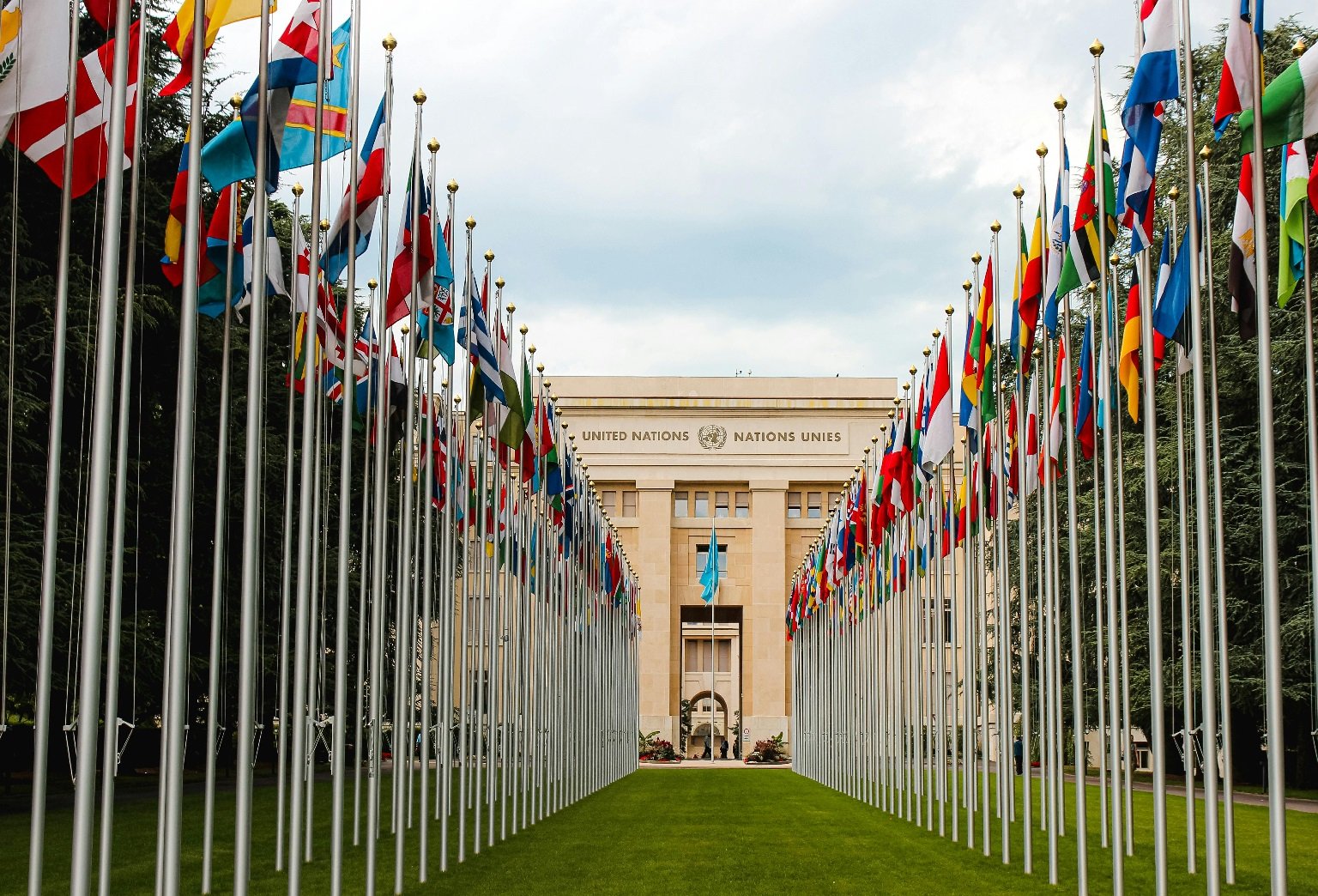
The African continent has a rich tapestry of diverse cultures, religions, and traditions. In many African societies, religion plays a central role in daily life, shaping social norms, moral values, and governance structures. However, the intersection of religion and power can sometimes give rise to corruption and unethical practices within religious institutions. Corruption is a pervasive issue in many African countries, with political leaders, government officials, and even religious figures often implicated in corrupt activities. The misuse of power for personal gain undermines the rule of law, erodes trust in institutions, and perpetuates poverty and inequality. In some cases, religious leaders have been accused of colluding with corrupt politicians or turning a blind eye to corrupt practices within their congregations. At the same time, the influence of religious institutions in African societies can be a force for positive change. Many churches, mosques, and religious organizations are actively involved in community development projects, providing social services, promoting education, and advocating for human rights. Religious leaders have the potential to mobilize their followers towards social justice, accountability, and transparency. Geneva, Switzerland, as a global hub for diplomacy, international organizations, and finance, plays a unique role in addressing the intersection of corruption and religious power in Africa. Its neutral stance and long-standing commitment to human rights make it an ideal location for hosting dialogues, conferences, and initiatives aimed at promoting good governance and ethical behavior in both the public and private sectors. The International Anti-Corruption Conference (IACC), for example, brings together government officials, civil society organizations, and business leaders from around the world to discuss strategies for combating corruption and promoting integrity. Religious leaders and representatives from African countries can also participate in these discussions to share their experiences and perspectives on how to address corruption within their communities. In conclusion, the complex interplay between corruption, religious power, and governance in Africa requires a multi-faceted approach that involves collaboration between governments, civil society, and religious institutions. By promoting transparency, accountability, and ethical leadership, we can work towards a more just and equitable society for all. Geneva, Switzerland, with its global reach and commitment to human rights, can play a vital role in supporting these efforts and fostering positive change in Africa and beyond. visit: https://www.visit-kenya.com If you are enthusiast, check the following link https://www.tsonga.org To get a holistic view, consider https://www.tonigeria.com Curious to learn more? Click on https://www.tocongo.com Seeking answers? You might find them in https://www.toalgeria.com Check the link: https://www.savanne.org
https://sunpowerpanels.com
https://religieuse.org
Leave a Comment:
SEARCH
Recent News
- Zurich, Switzerland is a city known for its stunning landscapes, charming streets, and vibrant culture. One of the many delights of visiting Zurich is the opportunity to explore its unique shopping scene. For those looking to add a touch of luxury and warmth to their wardrobe, Zurich is the perfect place to discover exquisite wool stoles.
- Winter in Zurich, Switzerland is a magical time of year when snow-capped mountains, charming Christmas markets, and cozy cafes create a picturesque scene straight out of a fairytale. As the temperatures drop and the city prepares for the festive season, one essential accessory that both locals and visitors alike reach for to stay warm and stylish is a winter stole.
- Zurich, Switzerland: A Haven for Wildlife Conservation
- Zurich, Switzerland, and Vancouver, Canada, are two bustling cities known for their thriving startup scenes. In this blog post, we will take a closer look at some of the top startups making waves in each city.
- Zurich, Switzerland and Vancouver, Canada: A Comparison of Import and Export Opportunities
- Zurich, Switzerland and Vancouver, Canada are two vibrant cities with distinct characteristics that make them stand out in their respective regions. While Zurich is known for its financial prowess and high quality of life, Vancouver is a bustling hub of business and innovation on the west coast of Canada. Let's take a closer look at how these two cities compare in terms of their business environments.
- Zurich, Switzerland and Vancouver, Canada are both vibrant cities known for their strong economies and diverse job markets. In this article, we explore some of the best companies to work for in these two cities, highlighting their unique offerings and what makes them stand out in their respective industries.
- Located in the heart of Switzerland, Zurich is known for its stunning natural beauty, bustling city life, and thriving business environment. The city attracts businesses from all over the world, thanks to its robust infrastructure, highly skilled workforce, and favorable economic policies. For UK businesses looking to expand or set up operations in Zurich, there are a number of government business support programs available to help navigate the process.
READ MORE
9 months ago Category :

Zurich, Switzerland is a city known for its stunning landscapes, charming streets, and vibrant culture. One of the many delights of visiting Zurich is the opportunity to explore its unique shopping scene. For those looking to add a touch of luxury and warmth to their wardrobe, Zurich is the perfect place to discover exquisite wool stoles.
Read More →9 months ago Category :

Winter in Zurich, Switzerland is a magical time of year when snow-capped mountains, charming Christmas markets, and cozy cafes create a picturesque scene straight out of a fairytale. As the temperatures drop and the city prepares for the festive season, one essential accessory that both locals and visitors alike reach for to stay warm and stylish is a winter stole.
Read More →9 months ago Category :

Zurich, Switzerland: A Haven for Wildlife Conservation
Read More →9 months ago Category :
