**Exploring the Historical Conflicts in Uzbekistan and the Role of Geneva, Switzerland**
Category : | Sub Category : Posted on 2024-10-05 22:25:23
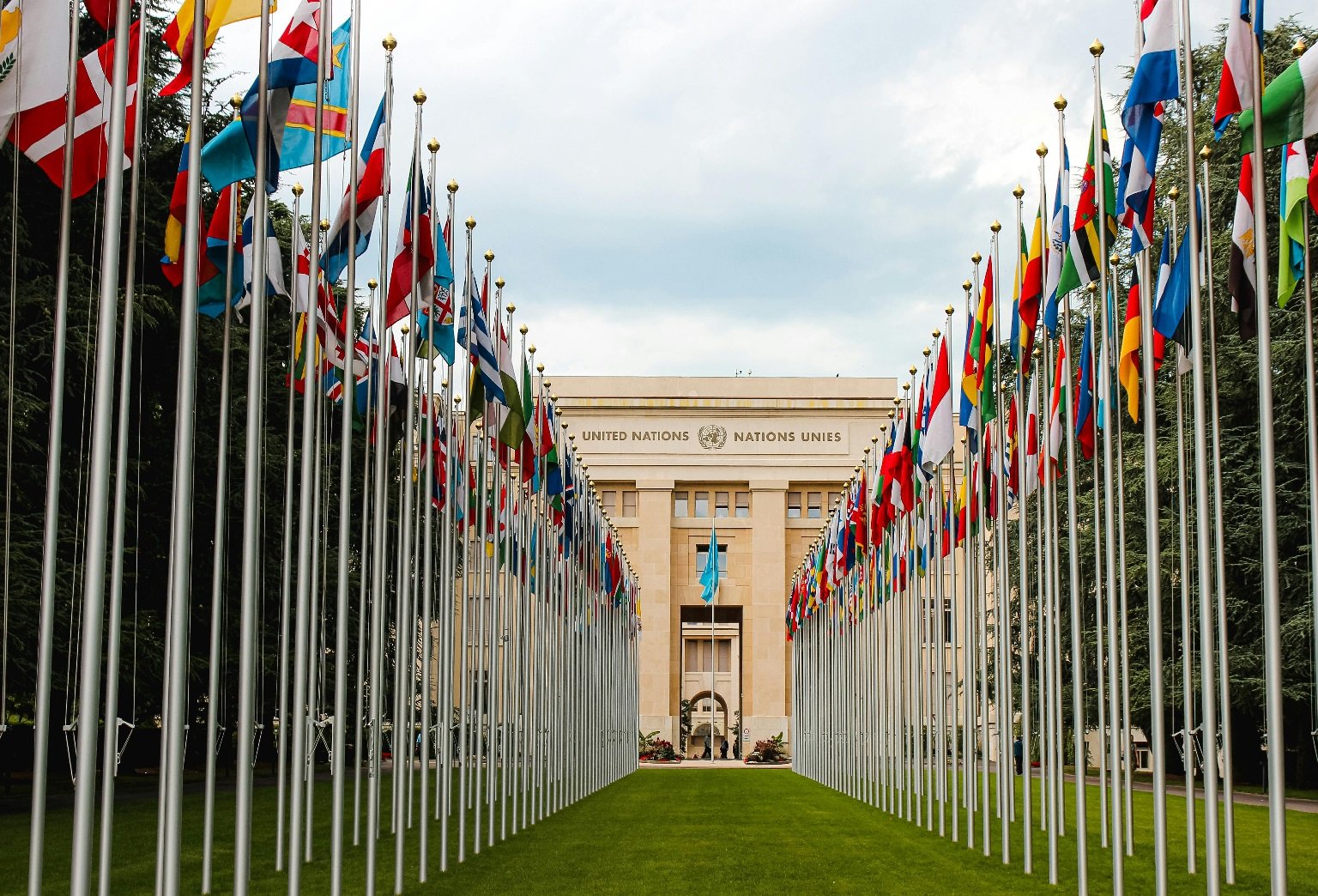
Uzbekistan, a country situated at the heart of Central Asia, has a rich history marred by various conflicts that have shaped its trajectory over the centuries. From ancient territorial disputes to more recent political struggles, Uzbekistan's journey has been marked by both internal and external conflicts. In this blog post, we delve into the historical conflicts in Uzbekistan and how Geneva, Switzerland, has played a role in addressing and mitigating these issues. **Ancient and Medieval Conflicts** Uzbekistan's strategic location along the famed Silk Road made it a prized territory for various empires and nomadic tribes throughout history. The region witnessed conflicts between the Persian, Greek, Arab, Mongol, and Timurid empires, each vying for control over the lucrative trade routes that passed through the region. The legacy of these ancient conflicts can still be seen in the diverse cultural influences present in Uzbekistan today. **Soviet Era and Independence** In the 20th century, Uzbekistan became a part of the Soviet Union, leading to a new chapter of conflict and struggle for the Uzbek people. The forced collectivization of agriculture, political repression, and economic hardship under Soviet rule fueled tensions within the region. The fall of the Soviet Union in 1991 brought about independence for Uzbekistan, but it also ushered in a new era of challenges as the country navigated its path towards democracy and development. **Modern-Day Challenges** In recent decades, Uzbekistan has faced various internal challenges, including human rights abuses, political repression, and economic inequality. The government's heavy-handed approach to dissent has sparked tensions within the country, leading to periodic outbreaks of violence and social unrest. The rise of extremist ideologies in the region has further complicated the security situation in Uzbekistan. **The Role of Geneva, Switzerland** Geneva, Switzerland, often referred to as the "peace capital of the world," has played a significant role in addressing conflicts around the globe, including those in Uzbekistan. As the headquarters of numerous international organizations, such as the United Nations and the International Red Cross, Geneva has been a hub for diplomacy, peacebuilding, and humanitarian efforts. Through diplomatic channels and multilateral initiatives, Geneva has facilitated dialogue between conflicting parties in Uzbekistan and supported efforts to promote peace, stability, and human rights in the region. The Swiss government, renowned for its neutrality and commitment to diplomacy, has been a key player in mediating conflicts and fostering cooperation among stakeholders in Uzbekistan. In conclusion, the historical conflicts in Uzbekistan have left a lasting impact on the country's social, political, and economic landscape. As Uzbekistan continues to navigate its path towards peace and prosperity, the role of international partners, such as Geneva, Switzerland, remains crucial in supporting efforts to resolve conflicts, promote reconciliation, and advance sustainable development in the region.
Leave a Comment:
SEARCH
Recent News
- Zurich, Switzerland is a city known for its stunning landscapes, charming streets, and vibrant culture. One of the many delights of visiting Zurich is the opportunity to explore its unique shopping scene. For those looking to add a touch of luxury and warmth to their wardrobe, Zurich is the perfect place to discover exquisite wool stoles.
- Winter in Zurich, Switzerland is a magical time of year when snow-capped mountains, charming Christmas markets, and cozy cafes create a picturesque scene straight out of a fairytale. As the temperatures drop and the city prepares for the festive season, one essential accessory that both locals and visitors alike reach for to stay warm and stylish is a winter stole.
- Zurich, Switzerland: A Haven for Wildlife Conservation
- Zurich, Switzerland, and Vancouver, Canada, are two bustling cities known for their thriving startup scenes. In this blog post, we will take a closer look at some of the top startups making waves in each city.
- Zurich, Switzerland and Vancouver, Canada: A Comparison of Import and Export Opportunities
- Zurich, Switzerland and Vancouver, Canada are two vibrant cities with distinct characteristics that make them stand out in their respective regions. While Zurich is known for its financial prowess and high quality of life, Vancouver is a bustling hub of business and innovation on the west coast of Canada. Let's take a closer look at how these two cities compare in terms of their business environments.
- Zurich, Switzerland and Vancouver, Canada are both vibrant cities known for their strong economies and diverse job markets. In this article, we explore some of the best companies to work for in these two cities, highlighting their unique offerings and what makes them stand out in their respective industries.
- Located in the heart of Switzerland, Zurich is known for its stunning natural beauty, bustling city life, and thriving business environment. The city attracts businesses from all over the world, thanks to its robust infrastructure, highly skilled workforce, and favorable economic policies. For UK businesses looking to expand or set up operations in Zurich, there are a number of government business support programs available to help navigate the process.
READ MORE
9 months ago Category :

Zurich, Switzerland is a city known for its stunning landscapes, charming streets, and vibrant culture. One of the many delights of visiting Zurich is the opportunity to explore its unique shopping scene. For those looking to add a touch of luxury and warmth to their wardrobe, Zurich is the perfect place to discover exquisite wool stoles.
Read More →9 months ago Category :

Winter in Zurich, Switzerland is a magical time of year when snow-capped mountains, charming Christmas markets, and cozy cafes create a picturesque scene straight out of a fairytale. As the temperatures drop and the city prepares for the festive season, one essential accessory that both locals and visitors alike reach for to stay warm and stylish is a winter stole.
Read More →9 months ago Category :

Zurich, Switzerland: A Haven for Wildlife Conservation
Read More →9 months ago Category :
