Exploring the Cultural Connections Between Uzbekistan, Geneva, Switzerland, and the Netherlands
Category : | Sub Category : Posted on 2024-10-05 22:25:23
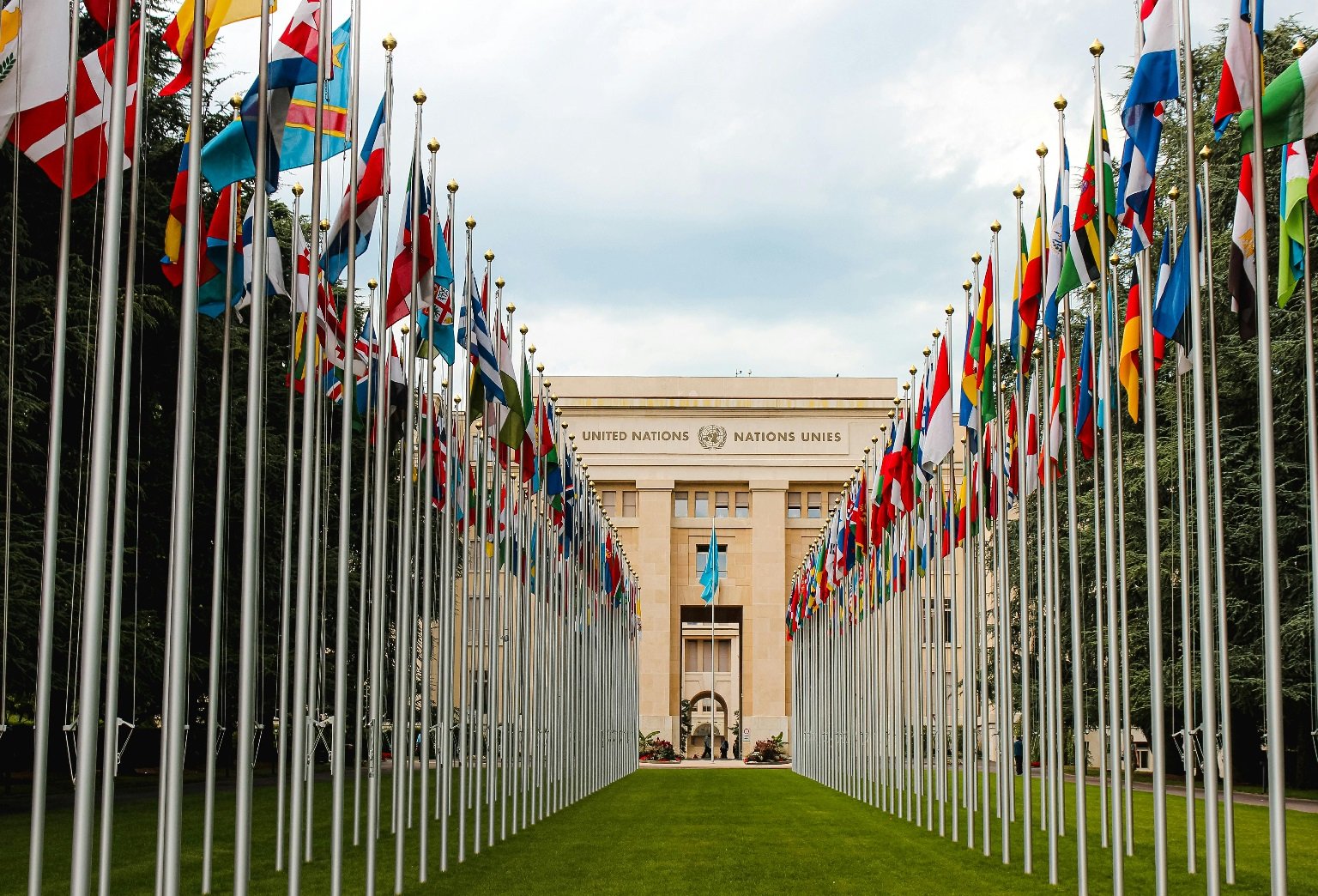
Uzbekistan, Geneva, Switzerland, and the Netherlands may seem like countries with little in common at first glance. However, a closer look reveals interesting cultural connections that link these diverse places together. Let's delve into the unique aspects of each of these regions and discover how they intersect in surprising ways. Uzbekistan, situated in Central Asia, is known for its rich history and ancient cities like Samarkand and Bukhara. The country boasts a unique blend of Persian, Turkic, and Russian influences, evident in its distinctive architecture, cuisine, and music. Uzbekistan's intricate mosaic designs and ornate domes have influenced art and architecture beyond its borders, including in Europe. Geneva, Switzerland, a picturesque city nestled along the shores of Lake Geneva, is renowned for being a global hub for diplomacy and humanitarian efforts. Home to numerous international organizations, including the United Nations and the Red Cross, Geneva attracts a diverse population from around the world. This cultural melting pot has led to a vibrant culinary scene that incorporates flavors and dishes from various countries, including Uzbekistan. The Netherlands, with its iconic windmills, tulip fields, and picturesque canals, is a country steeped in history and creativity. Dutch art, particularly from the Golden Age, has left a lasting impact on the art world, with renowned painters like Rembrandt and Vermeer hailing from this region. The Netherlands is also known for its innovative approach to design and architecture, which has influenced urban planning and sustainability practices in cities worldwide. Despite their geographical distance, these regions share a common thread in their appreciation for art, architecture, and cultural heritage. The intricate tile work found in Uzbekistan's mosques can be reminiscent of the Delftware pottery in the Netherlands. The emphasis on precision and craftsmanship seen in Swiss watchmaking mirrors the attention to detail in Uzbek textile weaving. Furthermore, the cultural exchange between these countries is evident in the culinary scene. Uzbek flavors like cumin, coriander, and pomegranate are finding their way into Swiss and Dutch kitchens, adding a new dimension to traditional dishes. The Netherlands' love for cheese can be traced back to its trading history, which connected it to regions like Uzbekistan through the Silk Road. In conclusion, Uzbekistan, Geneva, Switzerland, and the Netherlands may be located in different corners of the world, but their cultural connections run deep. Through a shared appreciation for art, architecture, and cuisine, these regions continue to inspire and influence each other, creating a tapestry of diversity and creativity that transcends borders.
Leave a Comment:
SEARCH
Recent News
- Zurich, Switzerland is a city known for its stunning landscapes, charming streets, and vibrant culture. One of the many delights of visiting Zurich is the opportunity to explore its unique shopping scene. For those looking to add a touch of luxury and warmth to their wardrobe, Zurich is the perfect place to discover exquisite wool stoles.
- Winter in Zurich, Switzerland is a magical time of year when snow-capped mountains, charming Christmas markets, and cozy cafes create a picturesque scene straight out of a fairytale. As the temperatures drop and the city prepares for the festive season, one essential accessory that both locals and visitors alike reach for to stay warm and stylish is a winter stole.
- Zurich, Switzerland: A Haven for Wildlife Conservation
- Zurich, Switzerland, and Vancouver, Canada, are two bustling cities known for their thriving startup scenes. In this blog post, we will take a closer look at some of the top startups making waves in each city.
- Zurich, Switzerland and Vancouver, Canada: A Comparison of Import and Export Opportunities
- Zurich, Switzerland and Vancouver, Canada are two vibrant cities with distinct characteristics that make them stand out in their respective regions. While Zurich is known for its financial prowess and high quality of life, Vancouver is a bustling hub of business and innovation on the west coast of Canada. Let's take a closer look at how these two cities compare in terms of their business environments.
- Zurich, Switzerland and Vancouver, Canada are both vibrant cities known for their strong economies and diverse job markets. In this article, we explore some of the best companies to work for in these two cities, highlighting their unique offerings and what makes them stand out in their respective industries.
- Located in the heart of Switzerland, Zurich is known for its stunning natural beauty, bustling city life, and thriving business environment. The city attracts businesses from all over the world, thanks to its robust infrastructure, highly skilled workforce, and favorable economic policies. For UK businesses looking to expand or set up operations in Zurich, there are a number of government business support programs available to help navigate the process.
READ MORE
9 months ago Category :

Zurich, Switzerland is a city known for its stunning landscapes, charming streets, and vibrant culture. One of the many delights of visiting Zurich is the opportunity to explore its unique shopping scene. For those looking to add a touch of luxury and warmth to their wardrobe, Zurich is the perfect place to discover exquisite wool stoles.
Read More →9 months ago Category :

Winter in Zurich, Switzerland is a magical time of year when snow-capped mountains, charming Christmas markets, and cozy cafes create a picturesque scene straight out of a fairytale. As the temperatures drop and the city prepares for the festive season, one essential accessory that both locals and visitors alike reach for to stay warm and stylish is a winter stole.
Read More →9 months ago Category :

Zurich, Switzerland: A Haven for Wildlife Conservation
Read More →9 months ago Category :
