Navigating Women's Fatigue and Diplomacy in Geneva, Switzerland
Category : | Sub Category : Posted on 2024-10-05 22:25:23
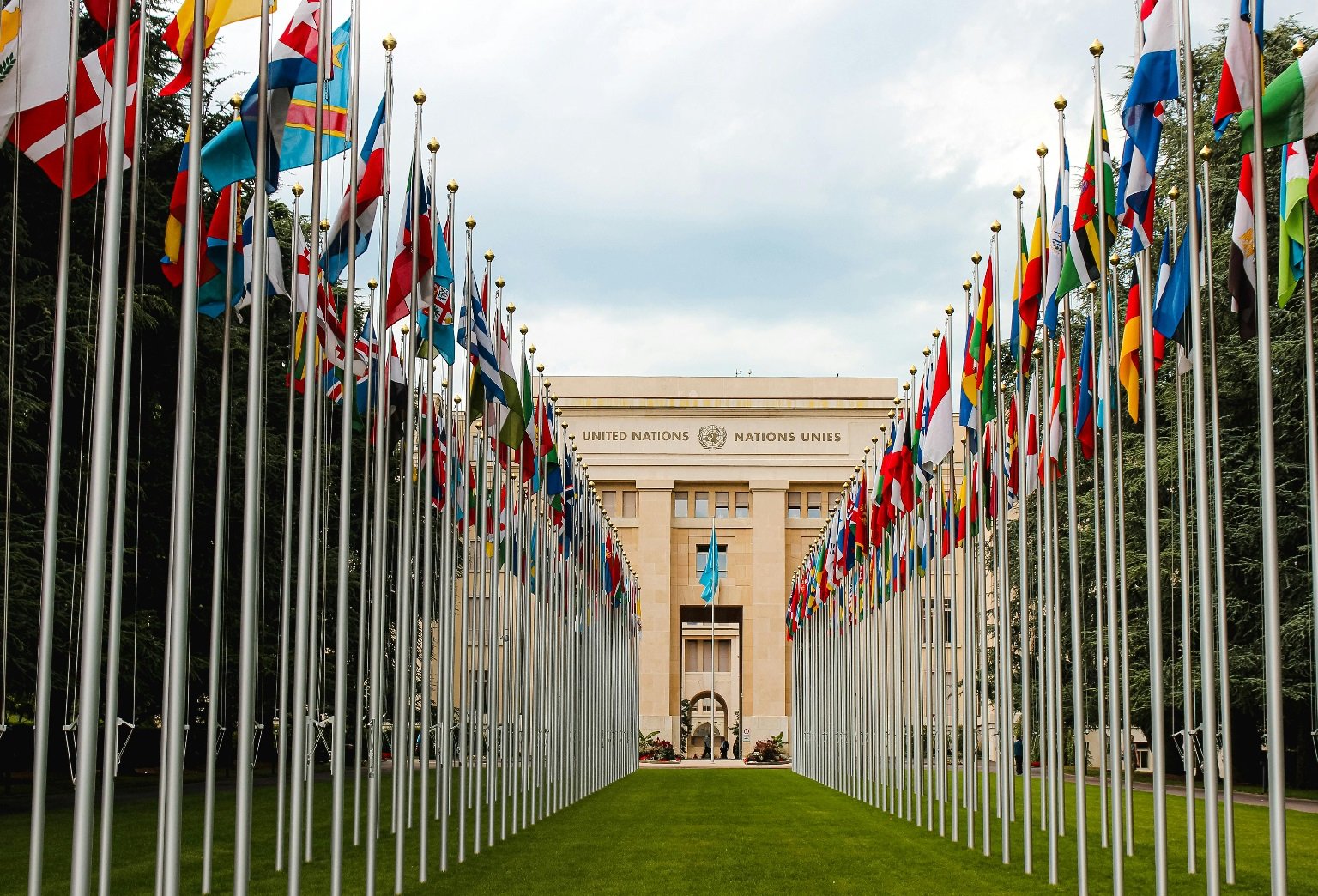
Located at the heart of Europe, Geneva, Switzerland, is renowned for being a hub of diplomacy and international cooperation. It is home to numerous international organizations, including the United Nations and the World Health Organization, making it a crucial center for global decision-making and peace negotiations. In recent years, there has been a growing recognition of the unique challenges that women face in the field of diplomacy, particularly in a place like Geneva, where high-stakes negotiations and long hours are the norm. Women diplomats often find themselves navigating a complex landscape that requires them to balance their professional responsibilities with personal well-being. This delicate balancing act can lead to fatigue, both physical and emotional, as they strive to make their voices heard and contribute meaningfully to the diplomatic process. The issue of women's fatigue in diplomacy is a multifaceted one. Long working hours, frequent travel, and the emotional toll of negotiating in high-pressure environments can all contribute to a sense of exhaustion among women diplomats. In addition, systemic barriers such as gender bias and unequal access to resources can further exacerbate this fatigue, making it even more challenging for women to thrive in the field of diplomacy. Despite these challenges, women diplomats in Geneva continue to make significant contributions to international relations. Their unique perspectives and experiences bring valuable insights to the negotiating table, helping to shape more inclusive and effective diplomatic outcomes. It is essential for organizations and policymakers to recognize the importance of supporting women diplomats by implementing policies that promote work-life balance, provide equal opportunities for career advancement, and address systemic barriers to gender equality in diplomacy. In conclusion, women's fatigue in diplomacy is a critical issue that needs to be addressed in Geneva, Switzerland, and beyond. By acknowledging the challenges that women diplomats face and taking steps to support their well-being and professional development, we can create a more equitable and inclusive diplomatic community where all voices are heard and valued.
Leave a Comment:
SEARCH
Recent News
- Zurich, Switzerland is a city known for its stunning landscapes, charming streets, and vibrant culture. One of the many delights of visiting Zurich is the opportunity to explore its unique shopping scene. For those looking to add a touch of luxury and warmth to their wardrobe, Zurich is the perfect place to discover exquisite wool stoles.
- Winter in Zurich, Switzerland is a magical time of year when snow-capped mountains, charming Christmas markets, and cozy cafes create a picturesque scene straight out of a fairytale. As the temperatures drop and the city prepares for the festive season, one essential accessory that both locals and visitors alike reach for to stay warm and stylish is a winter stole.
- Zurich, Switzerland: A Haven for Wildlife Conservation
- Zurich, Switzerland, and Vancouver, Canada, are two bustling cities known for their thriving startup scenes. In this blog post, we will take a closer look at some of the top startups making waves in each city.
- Zurich, Switzerland and Vancouver, Canada: A Comparison of Import and Export Opportunities
- Zurich, Switzerland and Vancouver, Canada are two vibrant cities with distinct characteristics that make them stand out in their respective regions. While Zurich is known for its financial prowess and high quality of life, Vancouver is a bustling hub of business and innovation on the west coast of Canada. Let's take a closer look at how these two cities compare in terms of their business environments.
- Zurich, Switzerland and Vancouver, Canada are both vibrant cities known for their strong economies and diverse job markets. In this article, we explore some of the best companies to work for in these two cities, highlighting their unique offerings and what makes them stand out in their respective industries.
- Located in the heart of Switzerland, Zurich is known for its stunning natural beauty, bustling city life, and thriving business environment. The city attracts businesses from all over the world, thanks to its robust infrastructure, highly skilled workforce, and favorable economic policies. For UK businesses looking to expand or set up operations in Zurich, there are a number of government business support programs available to help navigate the process.
READ MORE
10 months ago Category :

Zurich, Switzerland is a city known for its stunning landscapes, charming streets, and vibrant culture. One of the many delights of visiting Zurich is the opportunity to explore its unique shopping scene. For those looking to add a touch of luxury and warmth to their wardrobe, Zurich is the perfect place to discover exquisite wool stoles.
Read More →10 months ago Category :

Winter in Zurich, Switzerland is a magical time of year when snow-capped mountains, charming Christmas markets, and cozy cafes create a picturesque scene straight out of a fairytale. As the temperatures drop and the city prepares for the festive season, one essential accessory that both locals and visitors alike reach for to stay warm and stylish is a winter stole.
Read More →10 months ago Category :

Zurich, Switzerland: A Haven for Wildlife Conservation
Read More →10 months ago Category :
