**Understanding the Impact of Women Fatigue in Geneva, Switzerland and the DACH Region Countries**
Category : | Sub Category : Posted on 2024-10-05 22:25:23
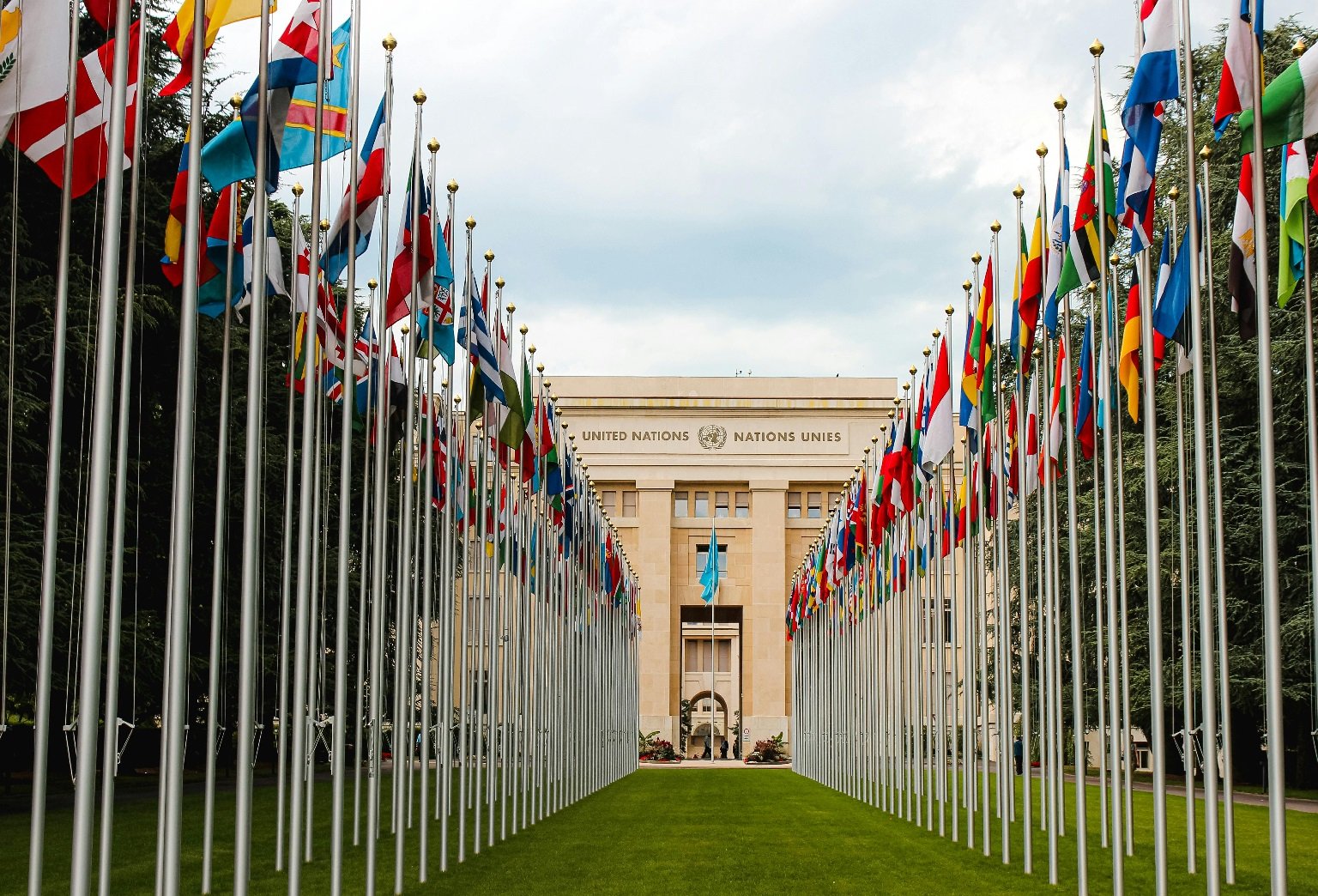
**Introduction:** Fatigue is a common complaint among women around the world, and this issue is particularly prevalent in Geneva, Switzerland, and the DACH region countries (Germany, Austria, and Switzerland). In this blog post, we will explore the factors contributing to women fatigue in this region and discuss potential solutions to address this concerning issue. **Factors Contributing to Women Fatigue:** 1. **Work-Life Balance:** In countries like Switzerland and Germany, where there is a strong work ethic and long working hours, women often find it challenging to strike a balance between work and personal life. The pressure to excel in their careers while managing household responsibilities can lead to chronic fatigue. 2. **Stress and Burnout:** High-stress levels in the workplace, coupled with societal expectations and responsibilities, can result in burnout among women in these countries. Constant pressure to perform at work and at home can take a toll on their physical and mental well-being. 3. **Lack of Support Systems:** In some cases, women may lack adequate support systems, such as access to affordable childcare, flexible work arrangements, and social support networks. This can further exacerbate feelings of fatigue and overwhelm. **Impact of Women Fatigue:** The prevalence of women fatigue in Geneva, Switzerland, and the DACH region countries can have far-reaching consequences. It not only affects women's health and well-being but can also impact their professional performance, relationships, and overall quality of life. Chronic fatigue can lead to serious health conditions such as depression, anxiety, and sleep disorders if left unaddressed. **Addressing Women Fatigue:** 1. **Promoting Work-Life Balance:** Employers can implement policies that support work-life balance, such as flexible working hours, telecommuting options, and wellness programs. Encouraging a culture of mindfulness and self-care can also help alleviate fatigue among women. 2. **Creating Supportive Networks:** Building strong support systems within communities, workplaces, and families can provide women with the resources they need to manage stress and prevent burnout. Peer support groups, mentoring programs, and access to mental health services can be invaluable in combating fatigue. 3. **Prioritizing Self-Care:** Encouraging women to prioritize self-care activities such as regular exercise, healthy eating, adequate sleep, and relaxation techniques can go a long way in boosting their energy levels and combating fatigue. In conclusion, addressing women fatigue in Geneva, Switzerland, and the DACH region countries requires a multi-faceted approach that encompasses policy changes, community support, and individual self-care practices. By recognizing the factors contributing to fatigue and taking proactive steps to support women's well-being, we can create a healthier and more balanced environment for women to thrive.
Leave a Comment:
SEARCH
Recent News
- Zurich, Switzerland is a city known for its stunning landscapes, charming streets, and vibrant culture. One of the many delights of visiting Zurich is the opportunity to explore its unique shopping scene. For those looking to add a touch of luxury and warmth to their wardrobe, Zurich is the perfect place to discover exquisite wool stoles.
- Winter in Zurich, Switzerland is a magical time of year when snow-capped mountains, charming Christmas markets, and cozy cafes create a picturesque scene straight out of a fairytale. As the temperatures drop and the city prepares for the festive season, one essential accessory that both locals and visitors alike reach for to stay warm and stylish is a winter stole.
- Zurich, Switzerland: A Haven for Wildlife Conservation
- Zurich, Switzerland, and Vancouver, Canada, are two bustling cities known for their thriving startup scenes. In this blog post, we will take a closer look at some of the top startups making waves in each city.
- Zurich, Switzerland and Vancouver, Canada: A Comparison of Import and Export Opportunities
- Zurich, Switzerland and Vancouver, Canada are two vibrant cities with distinct characteristics that make them stand out in their respective regions. While Zurich is known for its financial prowess and high quality of life, Vancouver is a bustling hub of business and innovation on the west coast of Canada. Let's take a closer look at how these two cities compare in terms of their business environments.
- Zurich, Switzerland and Vancouver, Canada are both vibrant cities known for their strong economies and diverse job markets. In this article, we explore some of the best companies to work for in these two cities, highlighting their unique offerings and what makes them stand out in their respective industries.
- Located in the heart of Switzerland, Zurich is known for its stunning natural beauty, bustling city life, and thriving business environment. The city attracts businesses from all over the world, thanks to its robust infrastructure, highly skilled workforce, and favorable economic policies. For UK businesses looking to expand or set up operations in Zurich, there are a number of government business support programs available to help navigate the process.
READ MORE
10 months ago Category :

Zurich, Switzerland is a city known for its stunning landscapes, charming streets, and vibrant culture. One of the many delights of visiting Zurich is the opportunity to explore its unique shopping scene. For those looking to add a touch of luxury and warmth to their wardrobe, Zurich is the perfect place to discover exquisite wool stoles.
Read More →10 months ago Category :

Winter in Zurich, Switzerland is a magical time of year when snow-capped mountains, charming Christmas markets, and cozy cafes create a picturesque scene straight out of a fairytale. As the temperatures drop and the city prepares for the festive season, one essential accessory that both locals and visitors alike reach for to stay warm and stylish is a winter stole.
Read More →10 months ago Category :

Zurich, Switzerland: A Haven for Wildlife Conservation
Read More →10 months ago Category :
