Understanding Women's Fatigue: A Self-Study in Geneva, Switzerland
Category : | Sub Category : Posted on 2024-10-05 22:25:23
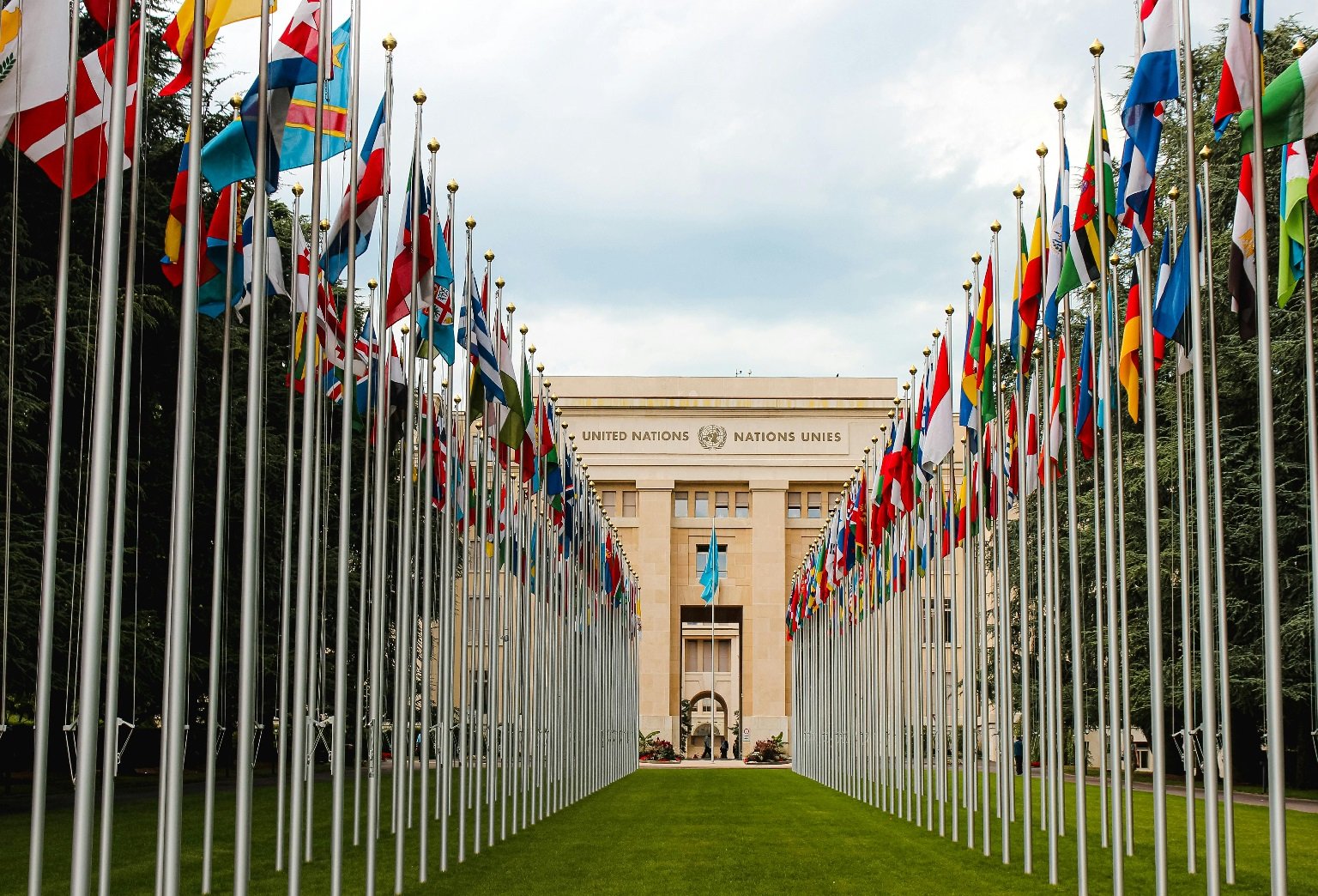
In today's fast-paced world, it's not uncommon for women to experience fatigue at some point in their lives. Juggling career, family, social obligations, and personal aspirations can take a toll on their physical and mental well-being. Understanding the factors that contribute to women's fatigue is crucial for finding effective ways to manage and overcome it. In Geneva, Switzerland, a self-study on women's fatigue is shedding light on this prevalent issue and providing valuable insights into its root causes and potential solutions. This study emphasizes the importance of self-awareness and self-care practices in combating fatigue and promoting overall wellness. One of the key findings of the self-study is the significant role that lifestyle factors play in women's fatigue. Poor sleep habits, unhealthy diet choices, lack of exercise, and high levels of stress are common culprits that can contribute to feelings of exhaustion and burnout. By adopting healthy habits such as getting enough rest, eating nutritious foods, staying active, and practicing stress-reducing techniques like meditation or yoga, women can boost their energy levels and improve their quality of life. Moreover, the study highlights the impact of societal expectations and gender norms on women's fatigue. The pressure to excel in multiple roles and meet unrealistic standards of perfection can lead to feelings of inadequacy, overwhelm, and fatigue. By challenging these expectations and setting boundaries, women can protect their well-being and prioritize self-care without guilt. Another important aspect of the self-study is the exploration of genetic factors that may contribute to women's fatigue. Research suggests that certain genetic variations can influence an individual's vulnerability to stress, fatigue, and mood disorders. By understanding their genetic predispositions, women can tailor their lifestyle choices and treatments to better manage their fatigue symptoms. In conclusion, the self-study on women's fatigue in Geneva, Switzerland, underscores the complex nature of this issue and emphasizes the importance of a holistic approach to well-being. By addressing lifestyle factors, societal pressures, and genetic influences, women can take proactive steps to combat fatigue, enhance their energy levels, and improve their overall quality of life. Ultimately, self-awareness, self-care, and support from healthcare professionals play a crucial role in empowering women to prioritize their health and well-being in the face of fatigue. If you are enthusiast, check the following link https://www.desencadenar.com
Leave a Comment:
SEARCH
Recent News
- Zurich, Switzerland is a city known for its stunning landscapes, charming streets, and vibrant culture. One of the many delights of visiting Zurich is the opportunity to explore its unique shopping scene. For those looking to add a touch of luxury and warmth to their wardrobe, Zurich is the perfect place to discover exquisite wool stoles.
- Winter in Zurich, Switzerland is a magical time of year when snow-capped mountains, charming Christmas markets, and cozy cafes create a picturesque scene straight out of a fairytale. As the temperatures drop and the city prepares for the festive season, one essential accessory that both locals and visitors alike reach for to stay warm and stylish is a winter stole.
- Zurich, Switzerland: A Haven for Wildlife Conservation
- Zurich, Switzerland, and Vancouver, Canada, are two bustling cities known for their thriving startup scenes. In this blog post, we will take a closer look at some of the top startups making waves in each city.
- Zurich, Switzerland and Vancouver, Canada: A Comparison of Import and Export Opportunities
- Zurich, Switzerland and Vancouver, Canada are two vibrant cities with distinct characteristics that make them stand out in their respective regions. While Zurich is known for its financial prowess and high quality of life, Vancouver is a bustling hub of business and innovation on the west coast of Canada. Let's take a closer look at how these two cities compare in terms of their business environments.
- Zurich, Switzerland and Vancouver, Canada are both vibrant cities known for their strong economies and diverse job markets. In this article, we explore some of the best companies to work for in these two cities, highlighting their unique offerings and what makes them stand out in their respective industries.
- Located in the heart of Switzerland, Zurich is known for its stunning natural beauty, bustling city life, and thriving business environment. The city attracts businesses from all over the world, thanks to its robust infrastructure, highly skilled workforce, and favorable economic policies. For UK businesses looking to expand or set up operations in Zurich, there are a number of government business support programs available to help navigate the process.
READ MORE
10 months ago Category :

Zurich, Switzerland is a city known for its stunning landscapes, charming streets, and vibrant culture. One of the many delights of visiting Zurich is the opportunity to explore its unique shopping scene. For those looking to add a touch of luxury and warmth to their wardrobe, Zurich is the perfect place to discover exquisite wool stoles.
Read More →10 months ago Category :

Winter in Zurich, Switzerland is a magical time of year when snow-capped mountains, charming Christmas markets, and cozy cafes create a picturesque scene straight out of a fairytale. As the temperatures drop and the city prepares for the festive season, one essential accessory that both locals and visitors alike reach for to stay warm and stylish is a winter stole.
Read More →10 months ago Category :

Zurich, Switzerland: A Haven for Wildlife Conservation
Read More →10 months ago Category :
