Women's Fatigue: Insights from Spanish Research and Development in Geneva, Switzerland
Category : | Sub Category : Posted on 2024-10-05 22:25:23
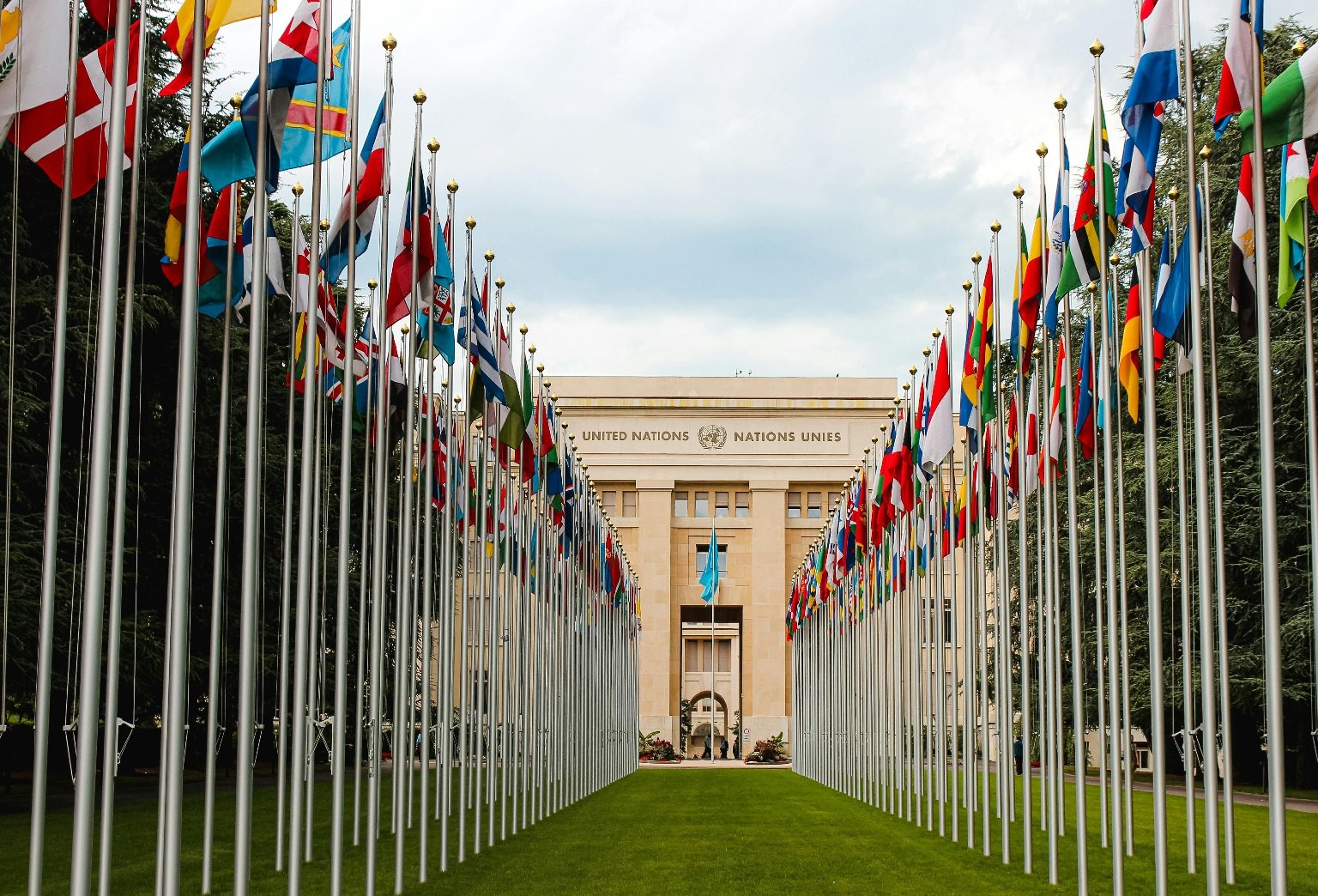
Fatigue is a common complaint among women that can significantly impact their quality of life. In recent years, research and development efforts in Spain have shed light on various factors contributing to women's fatigue. Additionally, Geneva, Switzerland, renowned for its advancements in healthcare research, has played a crucial role in understanding and addressing this issue. Spanish researchers have delved into the intricate interplay of physical, mental, and emotional factors that can lead to fatigue in women. Studies have shown that hormonal changes, such as fluctuations in estrogen levels, can play a significant role in fatigue experienced by women, particularly during menstrual cycles, pregnancy, and menopause. Furthermore, social and cultural expectations placed on women, such as balancing work, family, and household responsibilities, can also contribute to feelings of exhaustion. In Geneva, Switzerland, cutting-edge research has focused on the physiological mechanisms underlying fatigue in women. Scientists have identified genetic factors that may predispose some women to chronic fatigue conditions, such as chronic fatigue syndrome or fibromyalgia. Understanding these genetic predispositions is crucial for developing targeted treatment approaches that address the root causes of fatigue in women. Moreover, research in Geneva has highlighted the importance of personalized medicine in managing women's fatigue. By taking into account individual genetic profiles, lifestyle factors, and environmental influences, healthcare providers can tailor treatments to meet the unique needs of each woman experiencing fatigue. This personalized approach not only improves treatment outcomes but also enhances the overall well-being of women struggling with fatigue. The collaboration between Spanish researchers and the healthcare community in Geneva has led to significant advancements in understanding and addressing women's fatigue. By integrating insights from both regions, healthcare providers can offer more effective interventions that empower women to manage their fatigue and improve their quality of life. In conclusion, the intersection of Spanish research and development with the healthcare expertise in Geneva, Switzerland, has brought valuable insights into the complex issue of women's fatigue. By continuing to collaborate and innovate, researchers and healthcare professionals can make significant strides in enhancing the well-being of women experiencing fatigue.
https://desencadenar.org
https://oreilles.org
Leave a Comment:
SEARCH
Recent News
- Zurich, Switzerland is a city known for its stunning landscapes, charming streets, and vibrant culture. One of the many delights of visiting Zurich is the opportunity to explore its unique shopping scene. For those looking to add a touch of luxury and warmth to their wardrobe, Zurich is the perfect place to discover exquisite wool stoles.
- Winter in Zurich, Switzerland is a magical time of year when snow-capped mountains, charming Christmas markets, and cozy cafes create a picturesque scene straight out of a fairytale. As the temperatures drop and the city prepares for the festive season, one essential accessory that both locals and visitors alike reach for to stay warm and stylish is a winter stole.
- Zurich, Switzerland: A Haven for Wildlife Conservation
- Zurich, Switzerland, and Vancouver, Canada, are two bustling cities known for their thriving startup scenes. In this blog post, we will take a closer look at some of the top startups making waves in each city.
- Zurich, Switzerland and Vancouver, Canada: A Comparison of Import and Export Opportunities
- Zurich, Switzerland and Vancouver, Canada are two vibrant cities with distinct characteristics that make them stand out in their respective regions. While Zurich is known for its financial prowess and high quality of life, Vancouver is a bustling hub of business and innovation on the west coast of Canada. Let's take a closer look at how these two cities compare in terms of their business environments.
- Zurich, Switzerland and Vancouver, Canada are both vibrant cities known for their strong economies and diverse job markets. In this article, we explore some of the best companies to work for in these two cities, highlighting their unique offerings and what makes them stand out in their respective industries.
- Located in the heart of Switzerland, Zurich is known for its stunning natural beauty, bustling city life, and thriving business environment. The city attracts businesses from all over the world, thanks to its robust infrastructure, highly skilled workforce, and favorable economic policies. For UK businesses looking to expand or set up operations in Zurich, there are a number of government business support programs available to help navigate the process.
READ MORE
10 months ago Category :

Zurich, Switzerland is a city known for its stunning landscapes, charming streets, and vibrant culture. One of the many delights of visiting Zurich is the opportunity to explore its unique shopping scene. For those looking to add a touch of luxury and warmth to their wardrobe, Zurich is the perfect place to discover exquisite wool stoles.
Read More →10 months ago Category :

Winter in Zurich, Switzerland is a magical time of year when snow-capped mountains, charming Christmas markets, and cozy cafes create a picturesque scene straight out of a fairytale. As the temperatures drop and the city prepares for the festive season, one essential accessory that both locals and visitors alike reach for to stay warm and stylish is a winter stole.
Read More →10 months ago Category :

Zurich, Switzerland: A Haven for Wildlife Conservation
Read More →10 months ago Category :
